Crowdsourced Air Pollution Measurement Using DIY Atomic Force Microscopes
This project explored how low-cost scientific instrumentation, citizen science, and human computation can be combined to enable scalable and accessible air pollution measurement at nanoscale resolution.
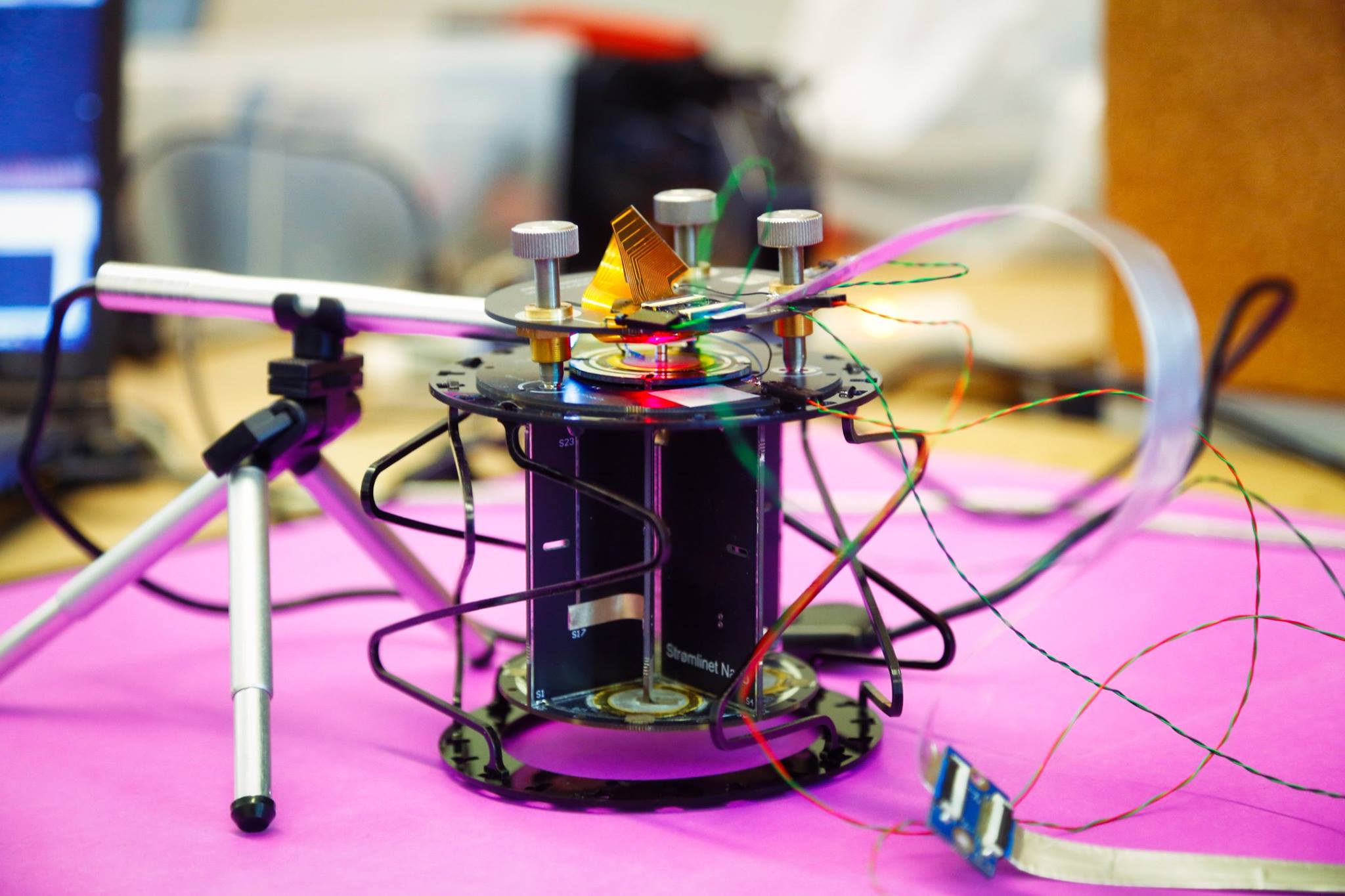
Developed as part of the LEGO2NANO international research and education initiative, the work focused on building and deploying do-it-yourself (DIY) atomic force microscopes (AFMs) constructed from off-the-shelf components, Arduino boards, and locally sourced materials. These instruments enabled nanoscale imaging capabilities typically limited to specialized research laboratories.
Project overview
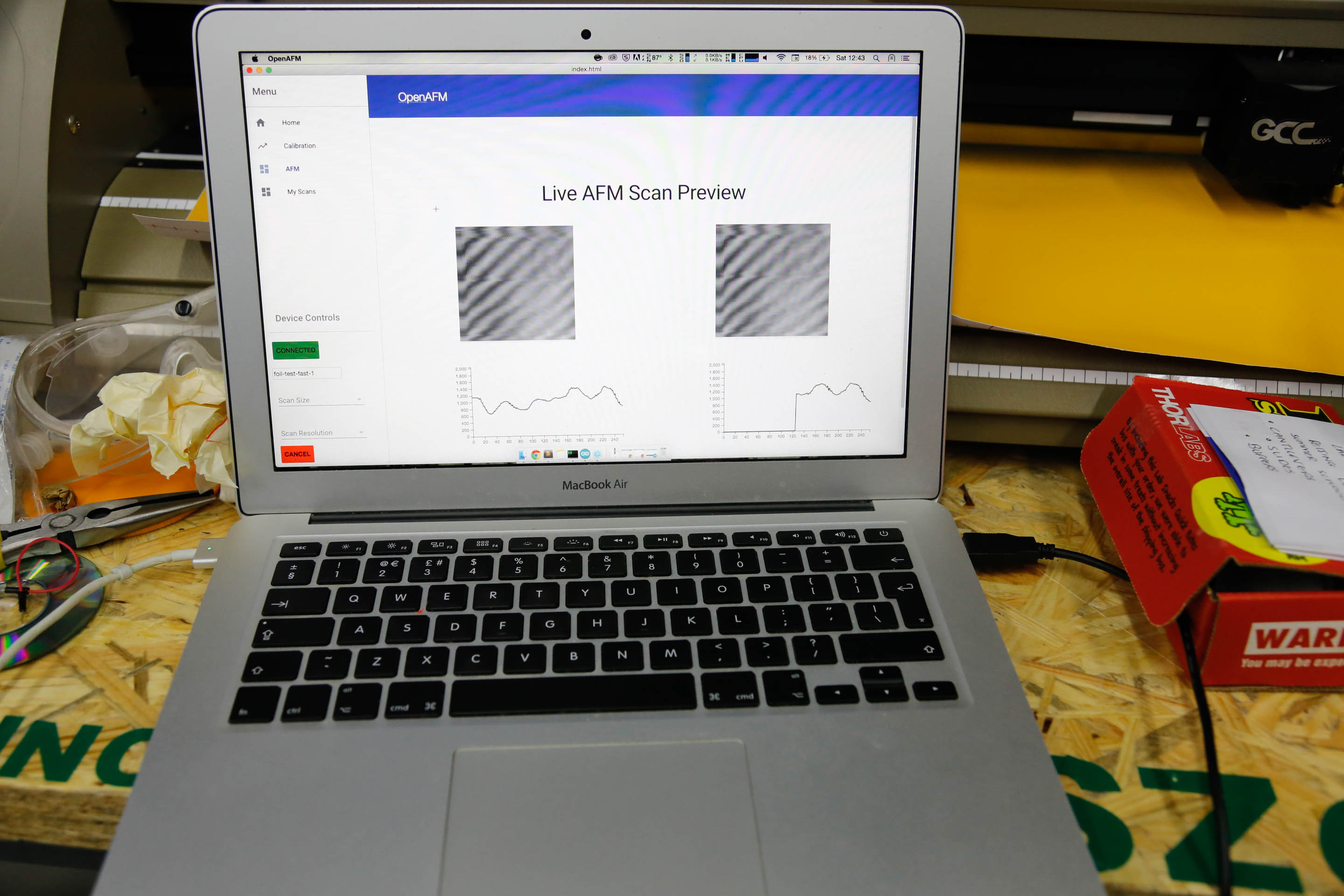
My contribution centered on designing an affordable and scalable approach to air pollution measurement using DIY AFMs. The system collected outdoor particulate matter by exposing small sampling substrates (e.g. DVD disk fragments) to ambient air, then imaging the captured particles with the AFM.
This setup enabled:
- Measurement of particle size, shape, and morphology for fine particulate matter (PM2.5)
- Visualization of pollution particles at resolutions rarely accessible outside academic nanotechnology labs
- Hands-on engagement with real environmental data by non-experts
Crowdsourcing and human computation
To scale analysis beyond individual experiments, I developed a crowdsourcing-based platform in which volunteers analyzed AFM images by identifying and outlining particulate matter. This human-in-the-loop approach enabled aggregation of large volumes of annotated data and supported comparative analysis across regions and time periods.
The project demonstrated how human computation can complement low-cost sensing, making complex environmental measurements both educational and scalable.
Outcomes
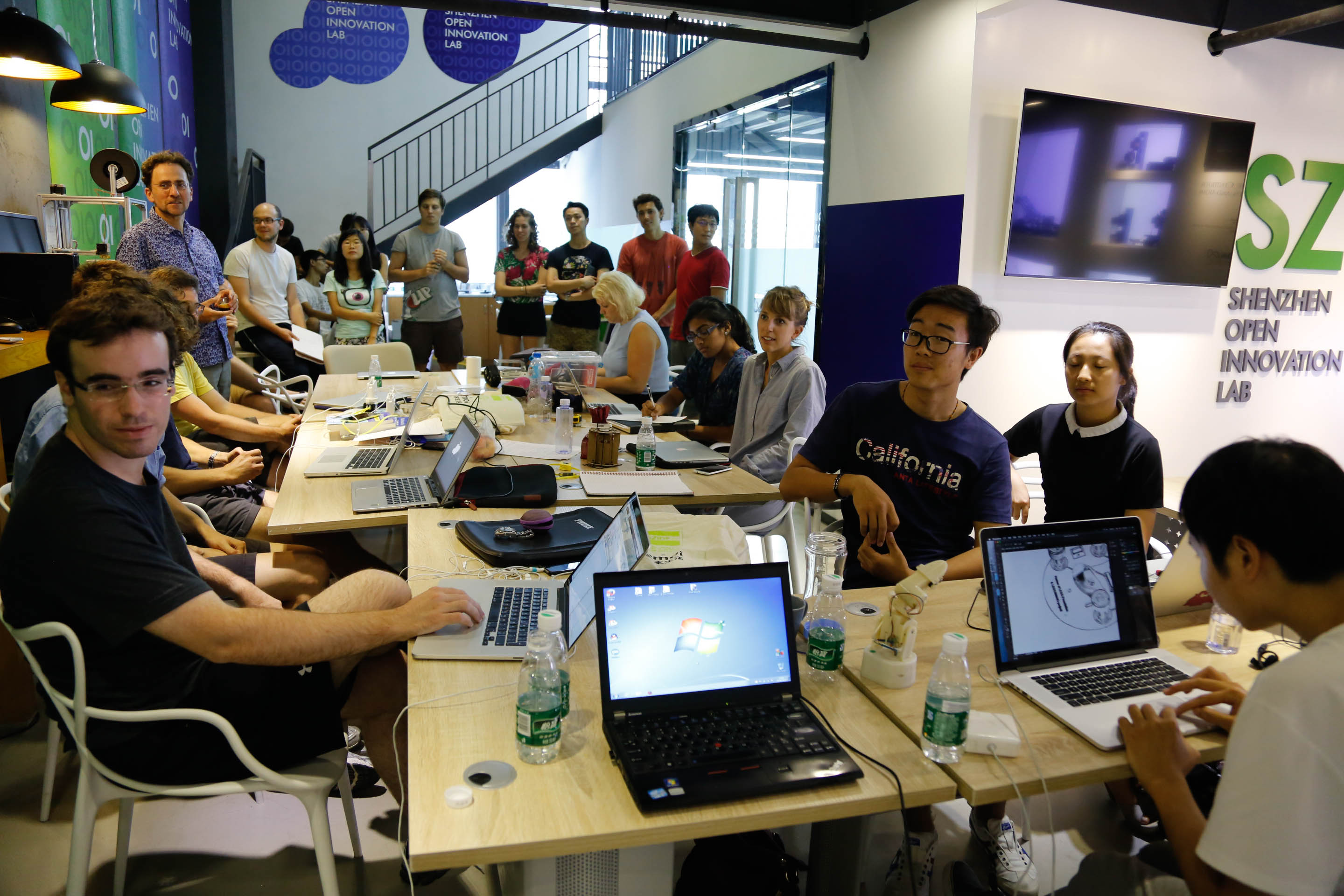
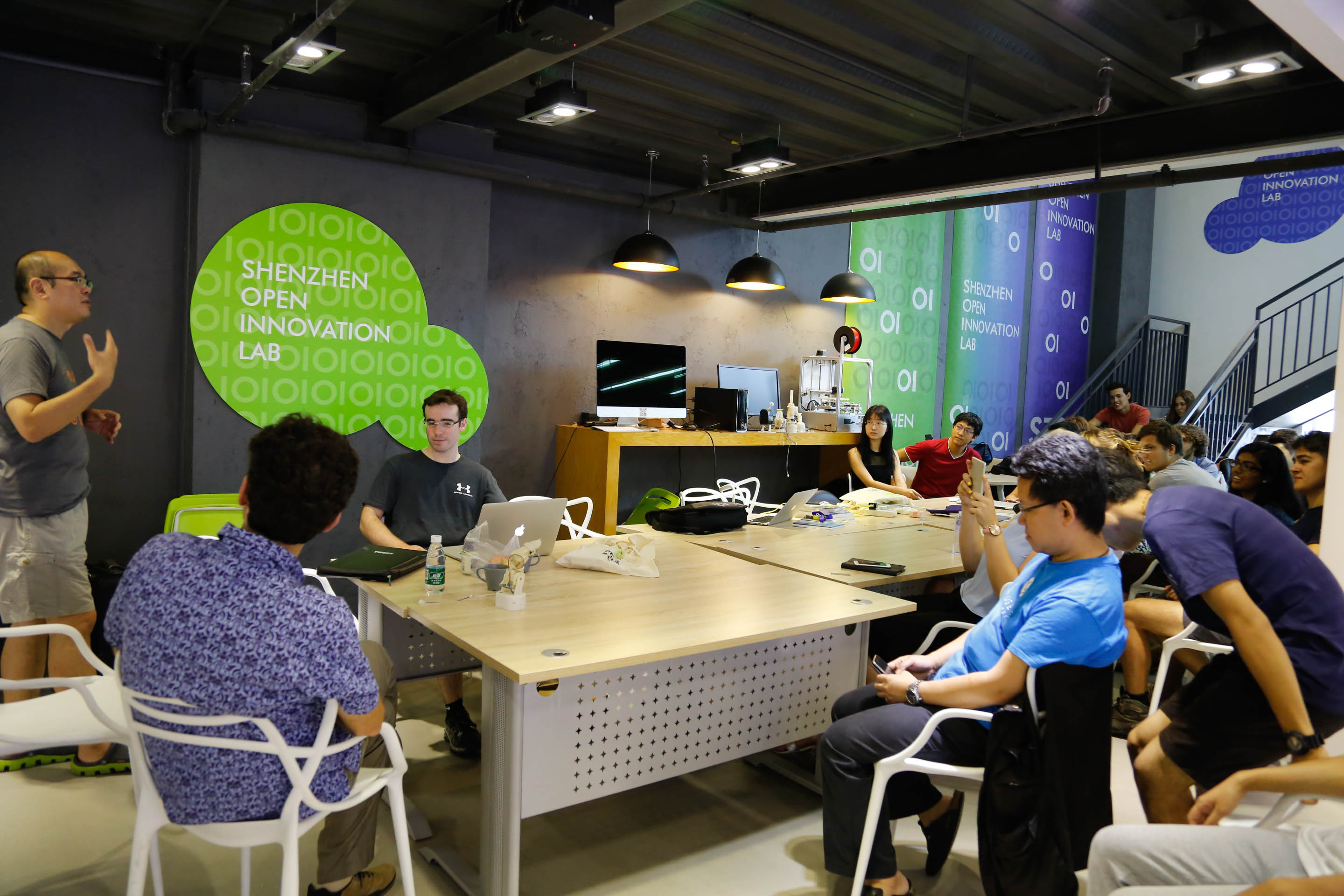
- Live system demo presented at the LEGO2NANO Summer School at the Shenzhen Open Innovation Lab (SZOIL), China
- First-author publication: A Crowdsourcing based Air Pollution Measurement System Using DIY Atomic Force Microscopes
Pictures