Crowdsourced Air Pollution Measurement Using DIY Atomic Force Microscopes
Date:
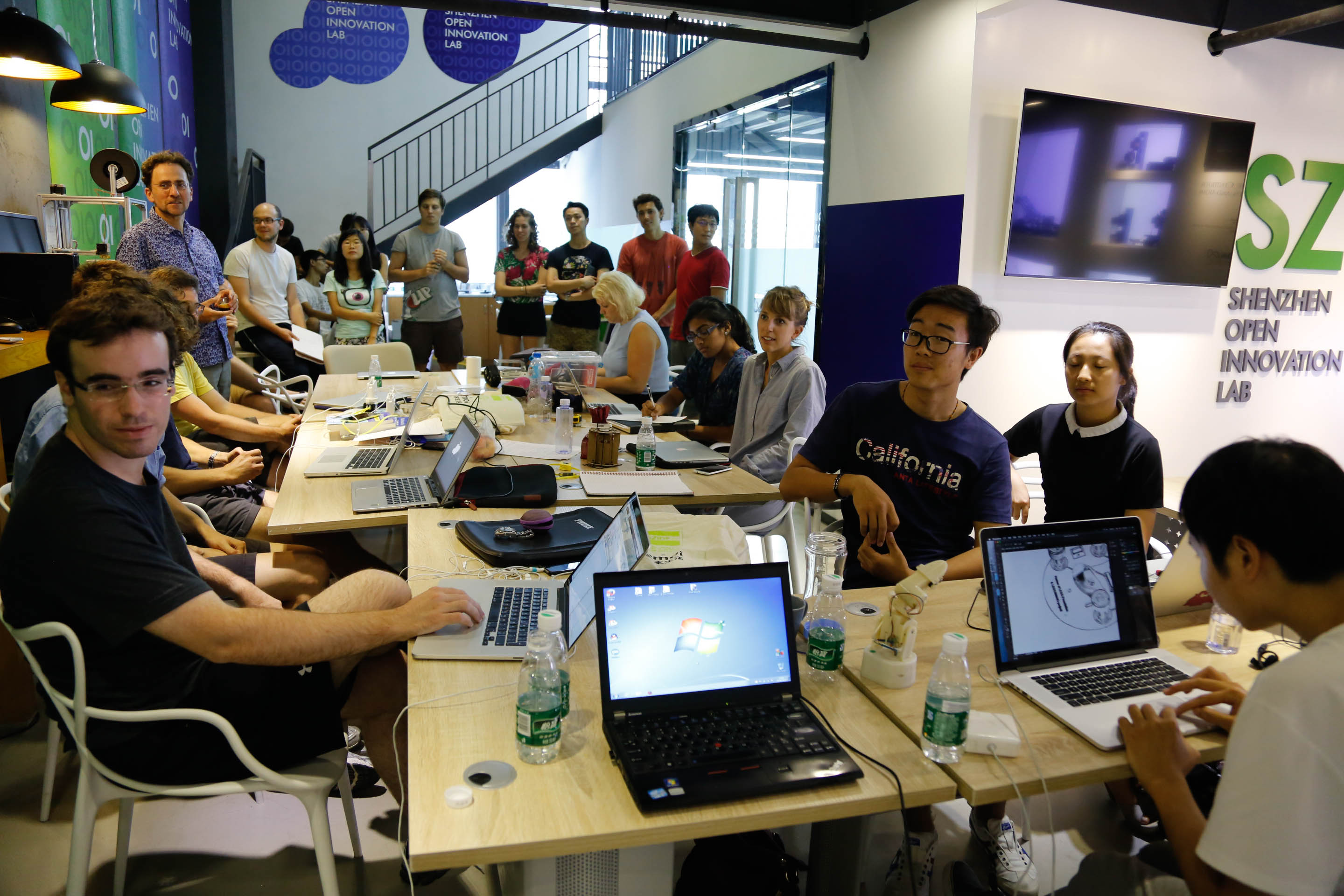
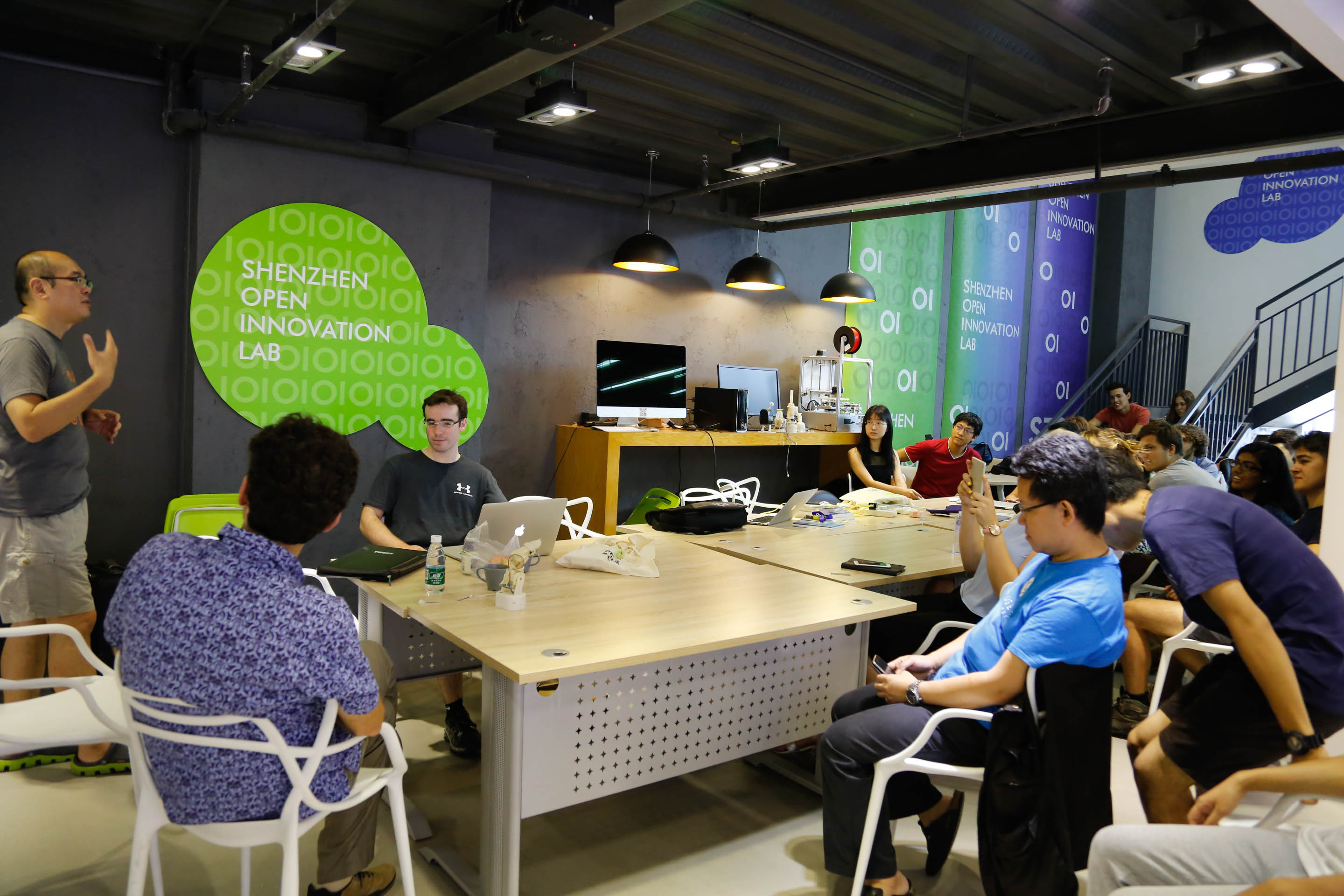
I delivered a demo presentation at the LEGO2NANO Summer School at the Shenzhen Open Innovation Lab (SZOIL), showcasing the atomic force microscope our team developed and, in particular, my work on imaging air pollution particles and creating a crowdsourcing-based air pollution measurement platform built around this technology.
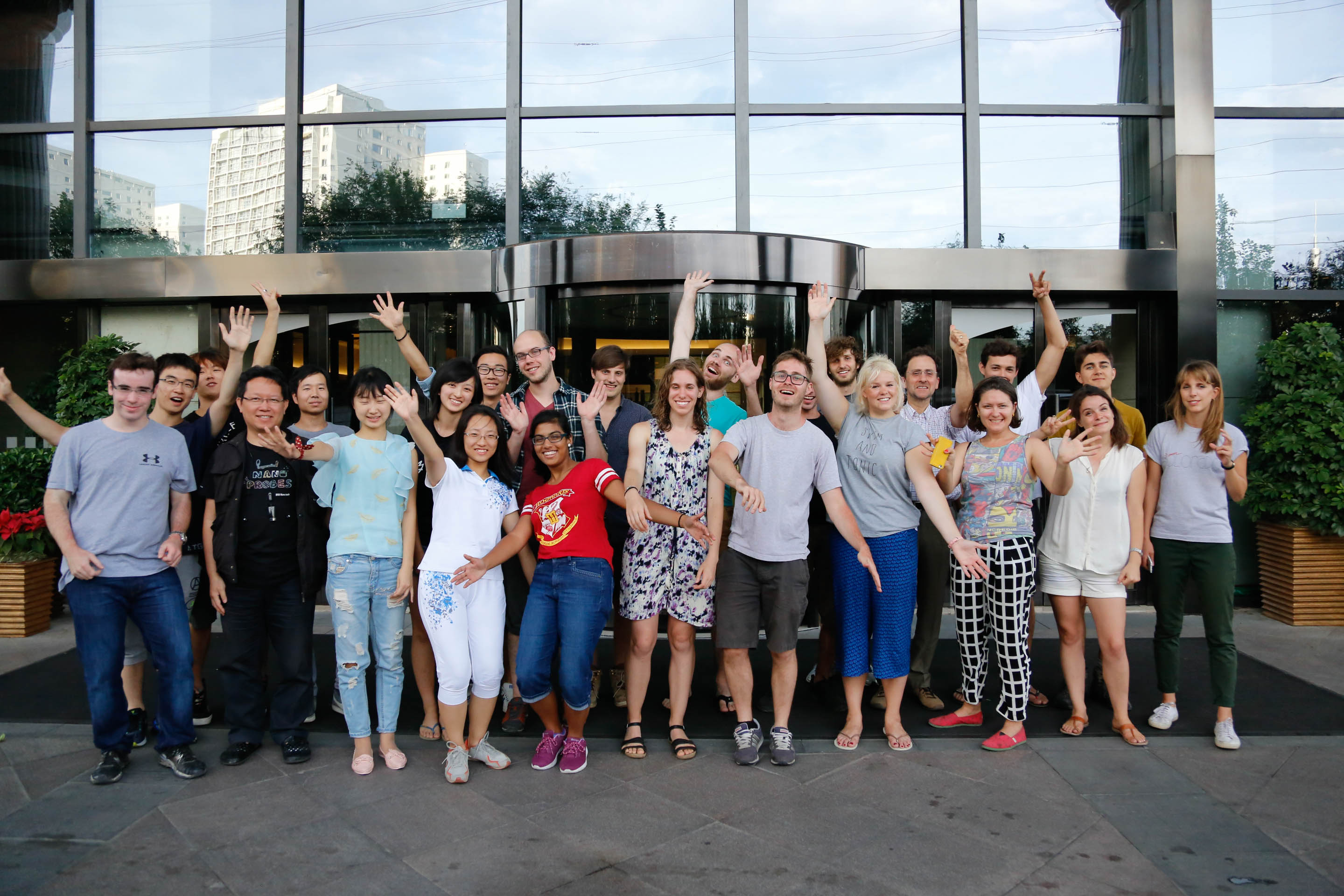
LEGO2NANO is an international initiative organized by Tsinghua University, Peking University, the Institute of Making at UCL, and partners across China, Singapore, the United States and Europe. Its goal is to create low cost scientific instruments that enable students and school communities to participate directly in real scientific inquiry.
The 2015 program focused on developing do-it-yourself (DIY) atomic force microscopes (AFM) constructed from off the shelf components, Arduino boards, and locally sourced materials. Over several weeks in Beijing and Shenzhen, our interdisciplinary team built functional prototypes capable of nanoscale imaging and designed educational tools to make nanotechnology accessible to young students.
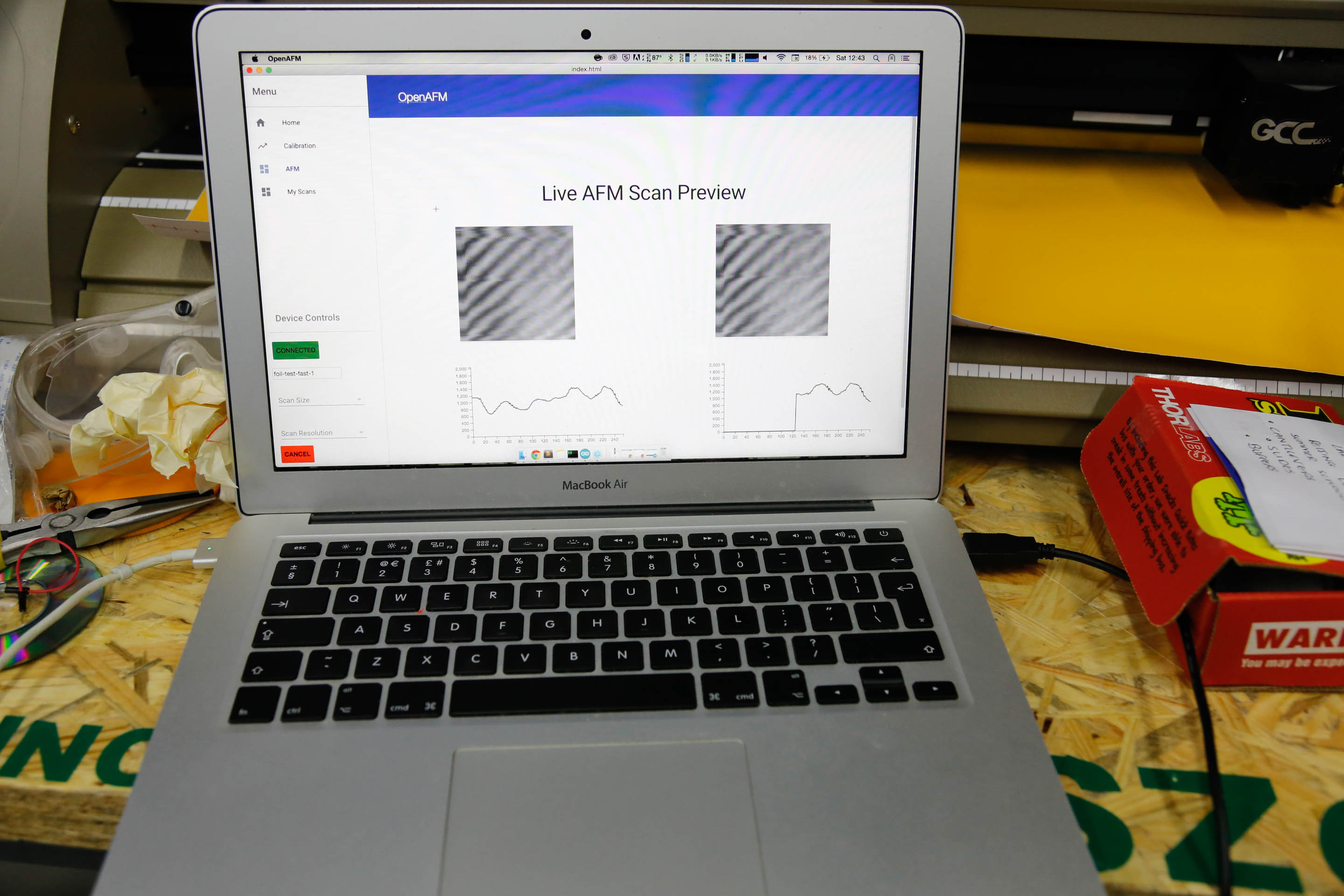
My project centered on building an accessible and affordable method for measuring air pollution using the DIY AFM. During the final demo day, I presented our working system for collecting outdoor particulate matter on pieces of DVD disks and imaging these particles with the DIY AFM. This setup enabled users to measure the size, shape and morphology of PM2.5 pollution particles, a capability rarely available outside specialized laboratories.
This work led to my first author publication, A Crowdsourcing based Air Pollution Measurement System Using DIY Atomic Force Microscopes, which introduced a platform combining DIY AFM data collection with an online crowdsourcing environment. In this system, volunteers analyze AFM images by identifying and outlining particulate matter, enabling large scale discovery of patterns across regions and time periods. The project demonstrated how low cost instrumentation, citizen science and human computation can be combined to study pollution in a hands on and educational way.